Indian cuisine is celebrated worldwide for its remarkable variety of flavours, aromas and regional specialities. From the earthy fragrance of cumin to the warmth of black pepper and the vibrant colour of turmeric, Indian Spices play an essential role in creating memorable meals. They are more than cooking ingredients: they reflect India's agricultural diversity, culinary traditions and generations of food expertise.
Whether you are preparing everyday meals, managing a restaurant, running a retail business or sourcing products for distribution, understanding spice quality can help you make better purchasing decisions. Choosing the right spices involves looking beyond appearance and price to consider freshness, aroma, sourcing, processing and packaging.
Understanding the Diversity of Indian Spices
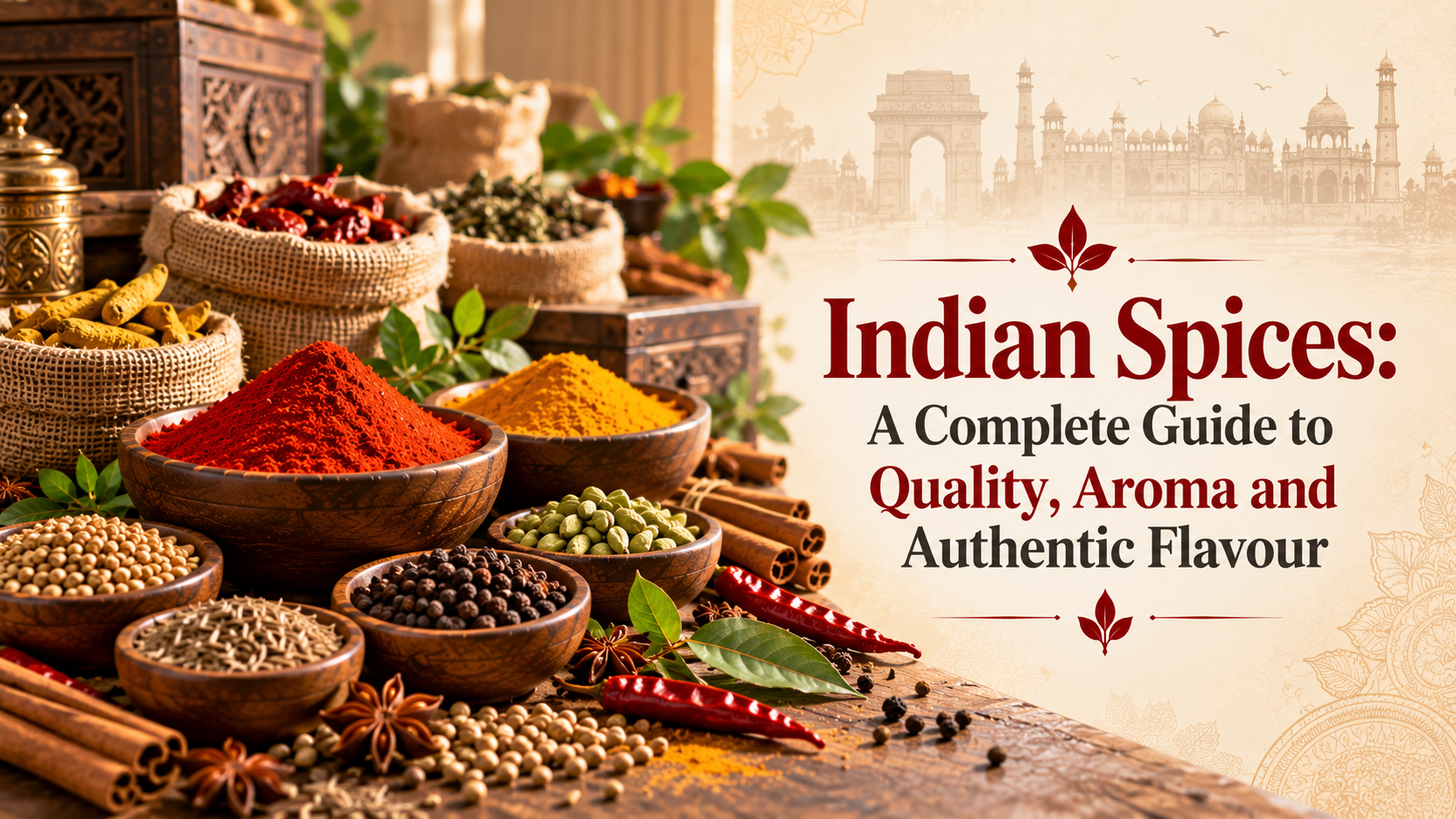
India produces and consumes a wide variety of spices, each contributing a distinctive character to food. Whole spices, ground spices and blended masalas serve different culinary purposes and offer flexibility for different cooking styles.
Whole spices such as cumin seeds, coriander seeds, black peppercorns and cloves are valued for their characteristic aroma. Many cooks temper whole spices in hot oil to release their flavour before adding other ingredients.
Ground spices such as turmeric powder, red chilli powder and coriander powder make everyday cooking convenient. Their quality depends on the ingredients used, suitable processing, freshness and appropriate storage.
Blended spices combine carefully selected ingredients to create balanced flavour profiles. Garam masala and other regional masala blends help home cooks and professional kitchens achieve a consistent taste across different recipes.
Understanding these categories makes it easier to select products according to your cooking requirements, business needs and preferred flavour profile.
What Determines the Quality of Indian Spices?
High-quality spices should deliver the aroma, flavour and performance expected from the ingredient. Several factors contribute to the final product.
1. Raw Material Selection
The quality of a spice begins with the raw material. Factors such as maturity, growing conditions, harvesting, drying and handling influence its characteristics. Responsible sourcing and careful selection help manufacturers maintain more consistent product standards.
2. Aroma and Natural Flavour
A fresh spice generally has a characteristic aroma appropriate to its type. Cumin should smell recognisably earthy, while black pepper has a distinctive pungent fragrance. Faded aroma may indicate age, unsuitable storage or loss of volatile compounds.
3. Processing and Hygiene
Cleaning, grinding, blending and packing should be managed under suitable hygienic conditions. Careful processing helps reduce avoidable contamination risks and supports consistent product quality.
4. Purity and Traceability
Buyers should look for clear product information, appropriate food-safety compliance and reliable sourcing practices. Where relevant, ask suppliers about batch identification, testing procedures and documentation. These details are especially important for commercial buyers purchasing in larger quantities.
Why Consider Organic Spices?
Interest in organic spices has grown as consumers pay greater attention to agricultural practices and ingredient sourcing. Organic production follows defined standards for farming and permitted inputs, with certification requirements varying by market.
However, the term “organic” should not be treated as an automatic guarantee of superior flavour, food safety or nutritional value. Buyers should check the applicable certification and supporting documentation rather than relying on packaging claims alone.
When selecting organic turmeric, cumin, coriander, chilli or other spices, consider the same practical quality factors used for conventional products: freshness, aroma, processing, packaging and suitability for the intended recipe.
For retailers and food businesses, transparent sourcing information can also help build customer confidence.
How to Choose Indian Spices for Everyday Cooking
The right spice depends on the dish, the desired intensity and how you plan to use it.
Turmeric: Commonly used for colour and its earthy flavour in curries, vegetables and lentil dishes.
Cumin: Adds a warm, earthy character to dals, rice, vegetables and spice blends.
Coriander: Offers a distinctive, gently citrus-like flavour that works in many Indian preparations.
Red chilli: Provides heat and colour, with intensity varying by variety and product.
Black pepper: Adds pungency to marinades, soups, sauces and everyday seasoning.
Blended masalas: Offer convenience when a recipe requires several complementary spices.
Always follow recipe quantities and adjust according to the particular spice's strength. A well-balanced dish depends on the relationship between ingredients rather than simply adding more seasoning.
What Should Businesses Look for in Indian Spices Suppliers?
For restaurants, grocery retailers, distributors and food manufacturers, choosing reliable Indian Spices Suppliers is an important part of product and inventory management.
Before establishing a supplier relationship, consider these factors:
Consistent quality: Ask how the supplier manages specifications and consistency between batches.
Product range: Check whether the supplier offers whole spices, ground spices and blends that suit your business.
Packaging options: Packaging should be appropriate for the product, quantity, storage conditions and intended distribution channel.
Supply reliability: Understand order processing, lead times, minimum order quantities and the supplier's ability to meet expected demand.
Documentation: Depending on the product and market, request relevant food-safety documentation, product specifications and applicable certifications.
Communication: A responsive supplier can make it easier to resolve product queries, coordinate repeat orders and plan inventory.
These checks are useful whether you are sourcing a small retail assortment or establishing a long-term commercial supply relationship.
How to Identify a Suitable Spice Supplier in India
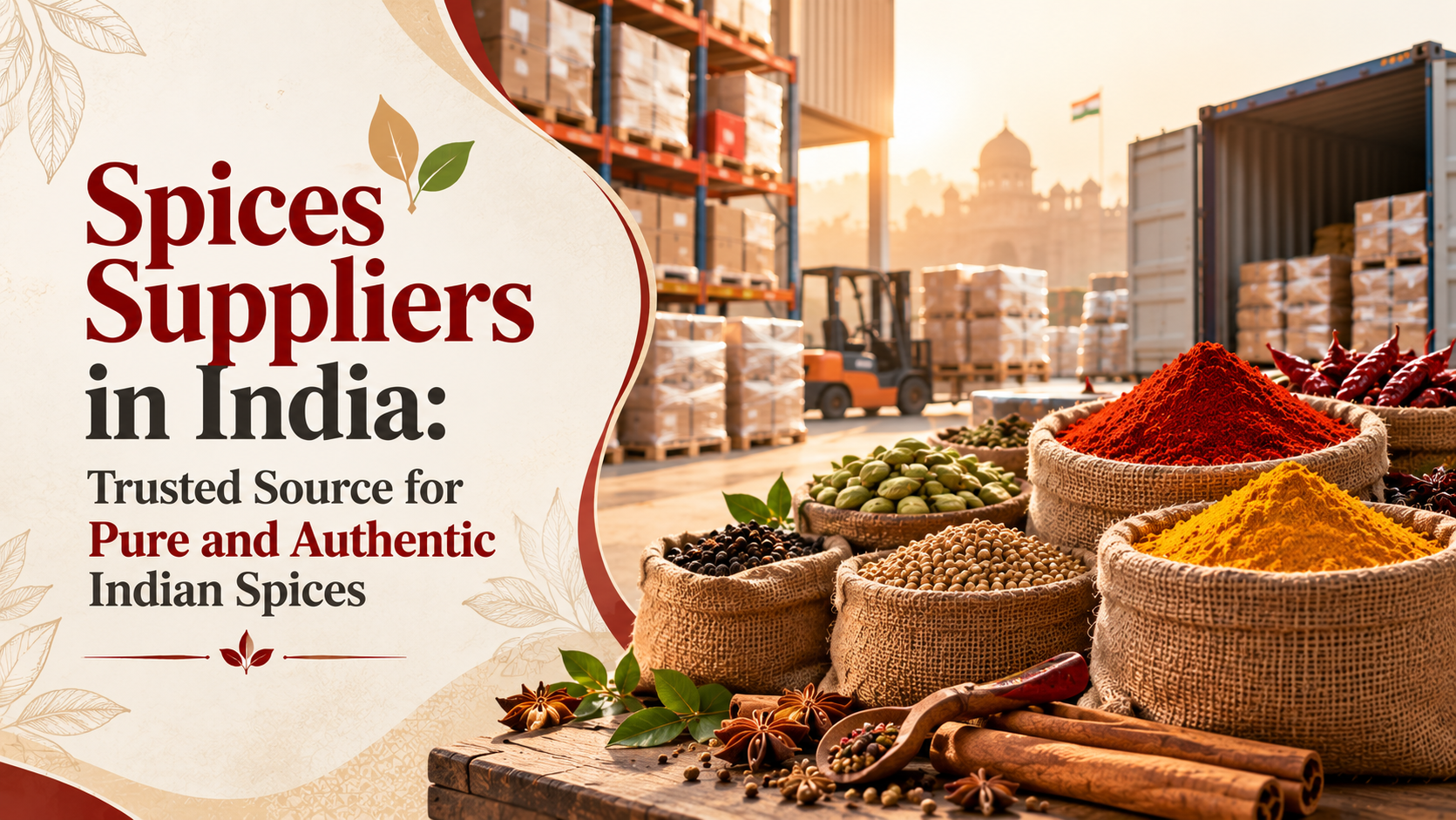
Finding the right Spice Supplier in India requires more than comparing quotations. Start by defining the spices you need, expected order volumes, quality specifications and delivery requirements.
Request product details and samples where available. Evaluate the aroma, texture, packaging and performance in your actual recipes. For bulk purchases, clarify whether the supplier can provide consistent specifications and traceable batches.
A professional supplier should also communicate clearly about pricing, order quantities, dispatch schedules and applicable product documentation. For export-oriented businesses, additional requirements may apply depending on the destination market.
Taking time to evaluate these factors can help buyers reduce sourcing uncertainty and establish stronger supplier relationships.
Why Work with GudLuck Spices?
GudLuck Spices focuses on delivering Indian spices and spice products for customers seeking authentic flavours and convenient everyday cooking. Its product range includes whole spices, ground spices and blended masalas, helping customers explore different ingredients and cooking styles.
The company highlights careful sourcing, hygienic processing and packaging designed to help preserve product freshness and flavour. Customers can explore the available range and review product-specific information before making a purchase.
For businesses considering a supply relationship, discussing product availability, order quantities, packaging and relevant documentation is a practical starting point.
Explore the product range at GudLuck Spices to discover options for your kitchen or business.
How to Store Spices to Preserve Their Aroma
Even good-quality spices can lose their characteristic aroma if stored incorrectly. Keep spices in clean, airtight containers away from direct sunlight, heat and moisture. Avoid storing them next to a stove or in areas where steam regularly accumulates.
Use clean, dry spoons and close containers promptly after use. Buy quantities that match your consumption or inventory turnover, and follow the product's storage instructions. For commercial kitchens and retailers, a sensible stock rotation system helps ensure older stock is used appropriately.
Whole spices may retain their aroma differently from ground spices, so storage practices should reflect the product type and expected usage.
Conclusion: Make Better Choices When Buying Indian Spices
The best spice-buying decisions combine flavour preferences with practical quality checks. Understanding the differences between whole, ground and blended spices, reviewing sourcing information and selecting reliable suppliers can improve the experience for both home cooks and commercial buyers.
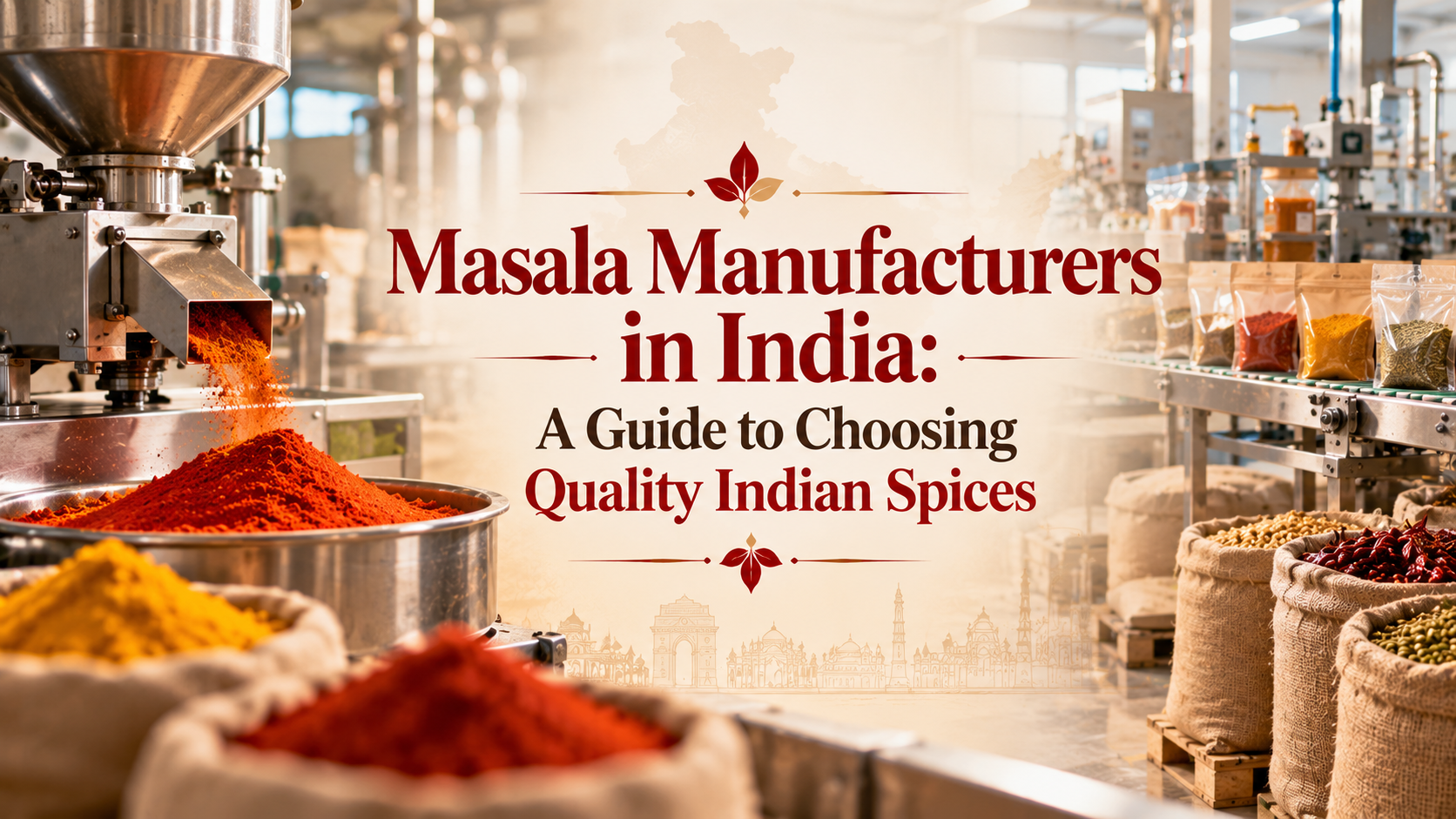
For businesses comparing Spices manufacturers in India, consistency, hygiene, documentation, packaging and dependable communication should all form part of the evaluation.
GudLuck Spices offers a range of spice products for customers who value authentic Indian flavours. Explore the website, compare products and choose spices suited to your recipes, customers and business requirements.